In the middle of the 1950s, football was changing. While teams played in leagues in their own countries, there was no way to find out which team was truly the best in all of Europe.
The cup before the cup
Before the European Cup existed, there was something called the Latin Cup. This was the most important trophy for teams in Southern Europe. In 1955, Real Madrid won this trophy by beating the French team Stade de Reims 2-0.
Real Madrid won the last edition of the competition Latin Cup in 1955 to take place before the creation of the European Cup. Source: AS Historia
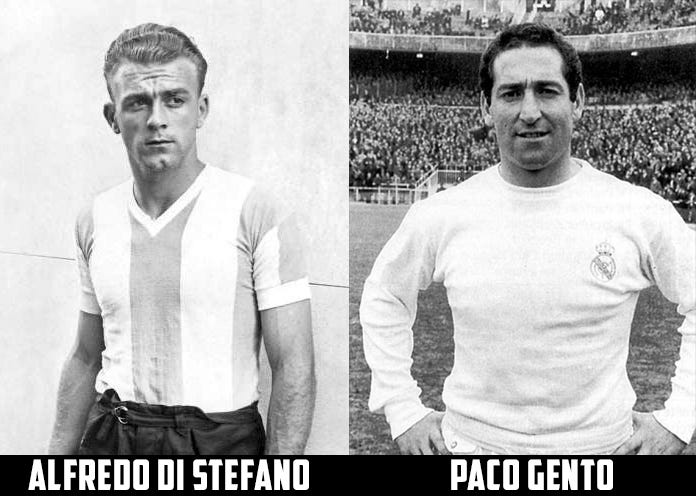
This was the moment the world met a young, lightning-fast player named Paco Gento. Along with the famous Alfredo Di Stéfano, he was part of a squad that was becoming one of the greatest teams in history. Guess which one.
However, newspapers in England were making big claims. After the English team Wolverhampton Wanderers beat a strong Hungarian team in a friendly match, the English papers called them the “World Champions.” This made people in France want to act. Visionaries at a famous sports newspaper believed that a real tournament was needed to decide who was best on the grass, not just in the headlines.
The Meeting in Paris
The European Cup competition was truly born in the spring of 1955 at the Hotel George V in Paris. This is where Santiago Bernabéu, the president of Real Madrid, met with French journalists to talk about the plan. Bernabéu asked a thousand questions and gave even more ideas. He saw how great this could be and became a leader in creating the tournament.
A new group called UEFA was a bit nervous about the idea, but they invited sixteen clubs to play in the first-ever 1955-56 season. Some countries, like the Soviet Union and England, said “no” (Chelsea wanted to play, but their leaders told them they couldn’t, amazing story here.). Even so, the tournament moved forward with legendary teams like Real Madrid, AC Milan, Sporting Lisbon, and Partizan Belgrade.
The Way the Game Was Played (The Rules)
Back in 1956, the tournament was veeeery different from the Champions League you see on TV today.
Win or Go Home: Today, teams play in “league phase” first. Back then, it was a “knockout” from the very start. If you lost, you were out.
No Substitutes: This is the craziest part. If a player got hurt or tired, there were no bench players allowed to come on. The team just had to play with 10 men, (like FK Sarajevo vs Manchester United).
No Yellow or Red Cards: Believe it or not, the colorful cards we see today didn't exist until 1970. Before that, referees had to give a verbal warning to players. If someone was being particularly rowdy, the ref just had to point to the sidelines and tell them to leave.
The Road to Paris: Real Madrid’s Historic Journey
Round of 16: The Swiss “Lock”
The journey started on September 8, 1955. Real Madrid played against Servette. The Swiss team used a strategy called the “lock” (or cerrojo). They put almost all their players in defense so Madrid couldn’t find any space to play.
For 74 minutes, the game was quite boring because Servette had eight men standing inside their own penalty area. Finally, the captain, Miguel Muñoz, scored the first-ever European goal for Real Madrid. Madrid moved to the next round with a total score of 7-0.
Quarter-Finals: The Battle in the Snow
On Christmas Day in 1955, Real Madrid played against Partizan Belgrade and won 4-0. But the second game in Yugoslavia was a legendary story of survival. The field was covered in 40 centimeters of snow, and it was five degrees below zero!
The ground was so slippery it felt more like ice hockey than football. Madrid lost the game 3-0, but because they had scored 4 goals in the first game, they moved on with a total score of 4-3. They were “ice warriors”.
Semi-Finals: The Heavyweight Clash
In April 1956, Real Madrid played the giant Italian team, AC Milan. To stay calm before the big match, the Madrid players actually went to see an opera, and it It worked. They stayed organized and calm on the pitch and won the round to reach the grand final.
The Legends: Di Stéfano and Gento
Real Madrid had two “superheroes” who made this all possible:
Alfredo Di Stéfano: They called him “The Blond Arrow.” He was the leader. Unlike other players who stayed in one spot, Di Stéfano was everywhere. He would help the defenders, pass the ball in the middle, and sprint to the front to score. He scored in five straight finals.
Paco Gento: He was the speed. Gento was so fast that defenders couldn’t catch him. He is still the only player in history to win six European Cups.
The Final: The First Coronation in Paris
On June 13, 1956, the final was held in Paris. Real Madrid faced the local favorites, Stade de Reims.
The match started like a nightmare for them. In just ten minutes, the French team scored two goals. Most teams would have given up, but Di Stéfano led a huge comeback. The game was a roller coaster, going back and forth until the score was 3-3. Finally, in the 79th minute, Héctor Rial scored the winning goal to make it 4-3.
The Legacy
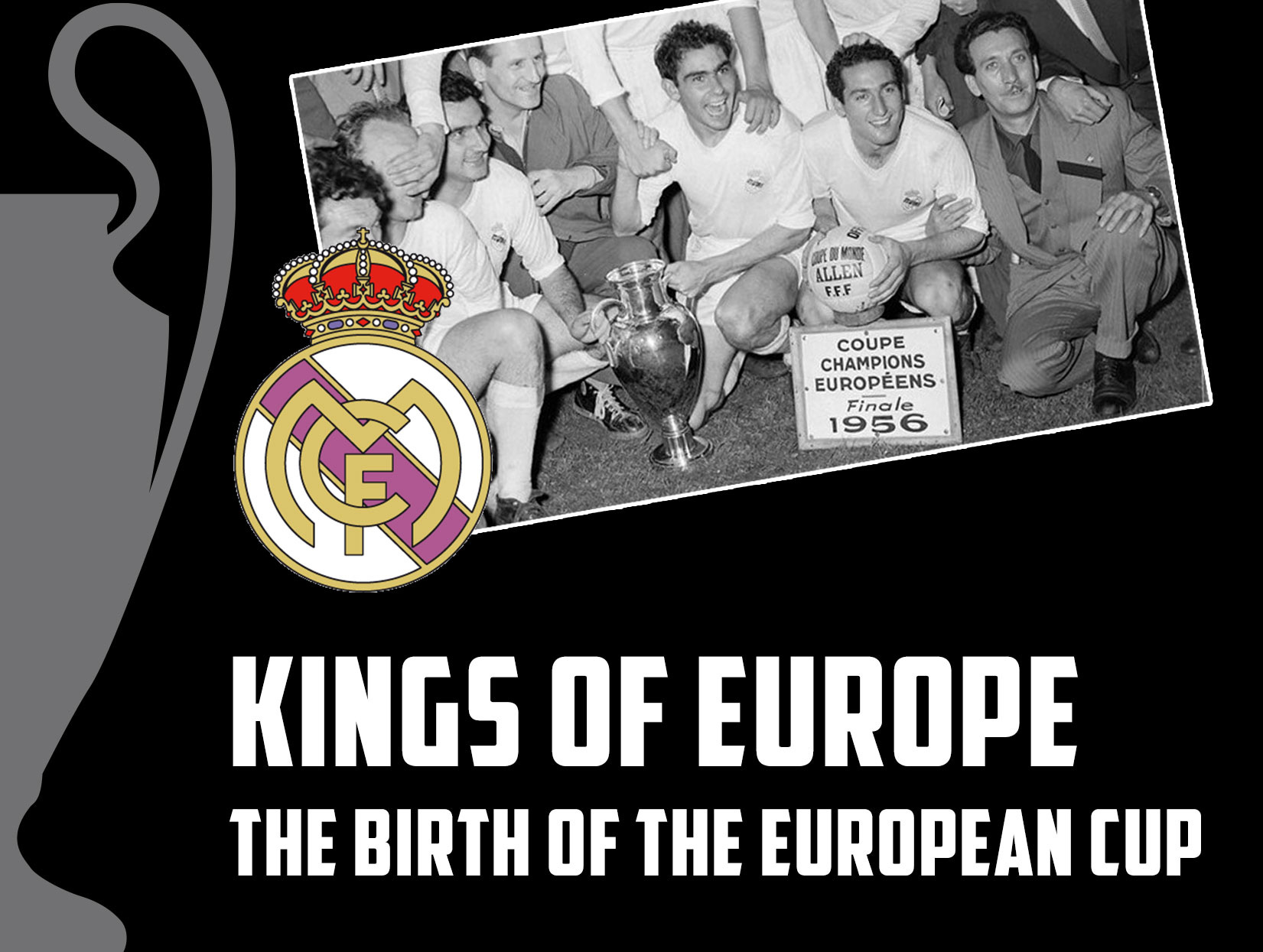
When the final whistle blew, Real Madrid were named the first-ever Kings of Europe. And this first victory started a “dynasty” where they won the trophy five years in a row. The title was hard earned.
Santiago Bernabéu said it best: “Madrid will always know how to do its duty.” The era of the most successful club in history had truly begun.
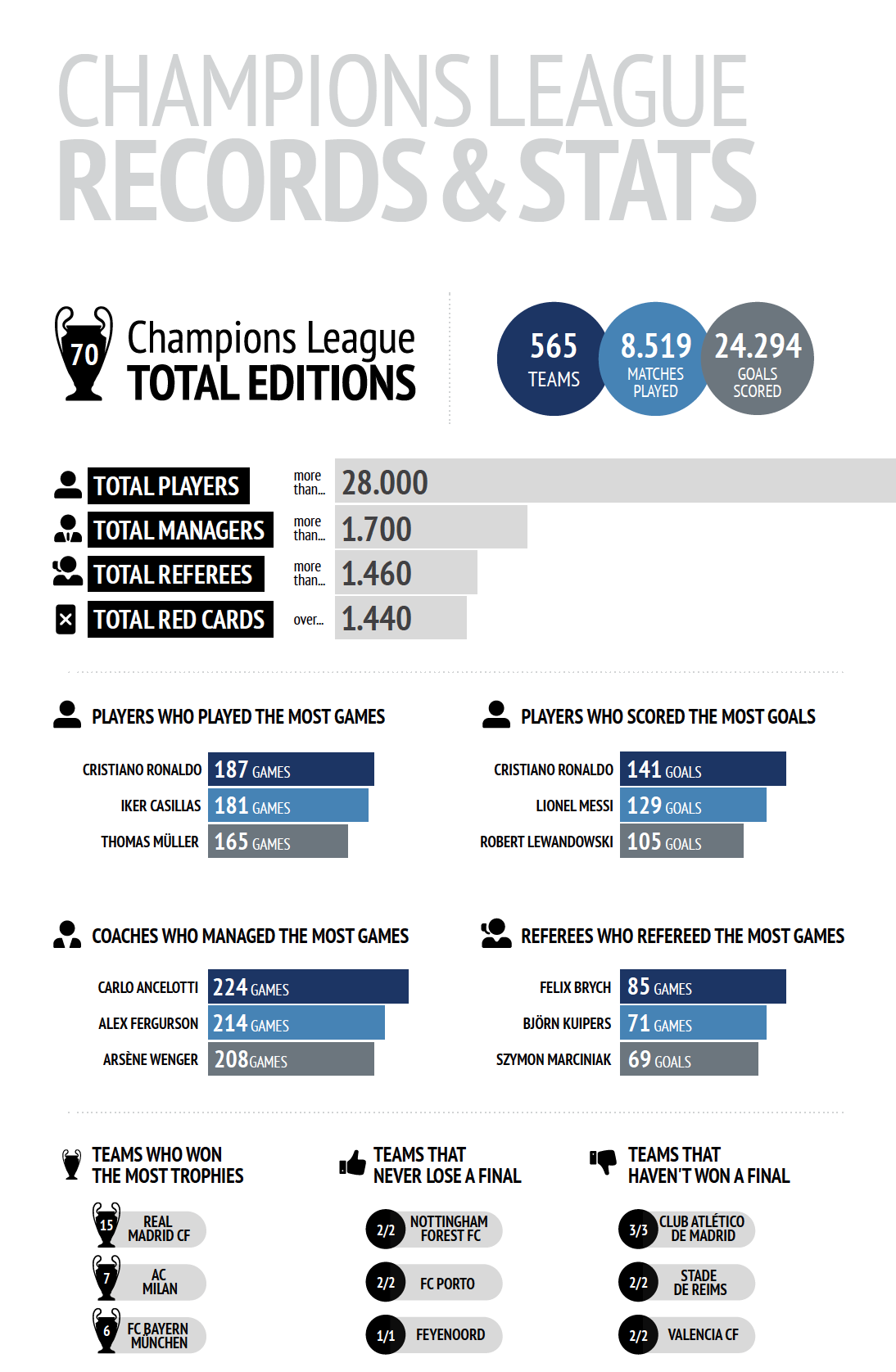
Up to 2026 European Cup & Champions League stats
Thanks for reading ⚽️ Into the Match! Subscribe for free to receive new posts and support my work.
Did you like this dive into football history?
If you want to explore the full story of every club that has ever competed on the European Cup/Champios League—from legendary giants to forgotten dynasties—check out 📘 European Cup: An Atlas of Champions. It features meticulously charted maps and profiles of over 550 clubs across 70 years of history, like the one you have seen of the Chelsea FC before.